Your Brand Needs More than a Logo.
A strong brand starts with clear decisions about who you are, who you serve and what you want to be known for. When those decisions aren't documented, every campaign, writer and designer interprets the brand differently, creating inconsistent communication across your marketing.
Unclear Positioning
Your team struggles to explain what makes the brand different and why customers should choose it, making every marketing decision harder to align.
Different Brand Voices
Writers, designers and agencies interpret the brand personality differently, making the brand sound inconsistent across channels and customer touchpoints.
Inconsistent Messaging
Different campaigns communicate different ideas because there is no central messaging direction that everyone can use as a consistent reference.
Undefined Audiences
Marketing becomes too broad when there isn't a clear understanding of who the brand is speaking to, what they need and what motivates them.

Turn What You Know Into A Strategy Your Team Can Use.
Brandstory AI guides you through the key decisions behind your brand and brings them together into a structured strategic foundation. Instead of keeping positioning, audience insights and communication decisions scattered across conversations and documents, you get one practical strategy your team can refer to and build from.
Brand Foundation
Define your purpose, personality, promise and the emotions your brand should consistently express, creating the foundation for how the brand should behave and communicate.
Positioning
Clarify your value proposition, audience and differentiation so your team understands where the brand belongs in the market and why customers should choose it.
Audience
Explore customer needs, motivations, barriers and expectations to create a clearer understanding of the people your brand is designed to serve.
Messaging
Define messaging pillars, an elevator pitch and tagline that give your team a consistent set of ideas to communicate across campaigns and marketing channels.
Voice
Establish personality traits, writing principles and language rules that make your brand voice easier for writers, marketers and agencies to apply consistently.
From Guided Questions to a Complete Brand Strategy.
Start with what you already know about your business and work through focused questions covering your market, audience, positioning and communication. The process helps organise your thinking into a structured strategy instead of leaving you to figure out what information belongs in the document.
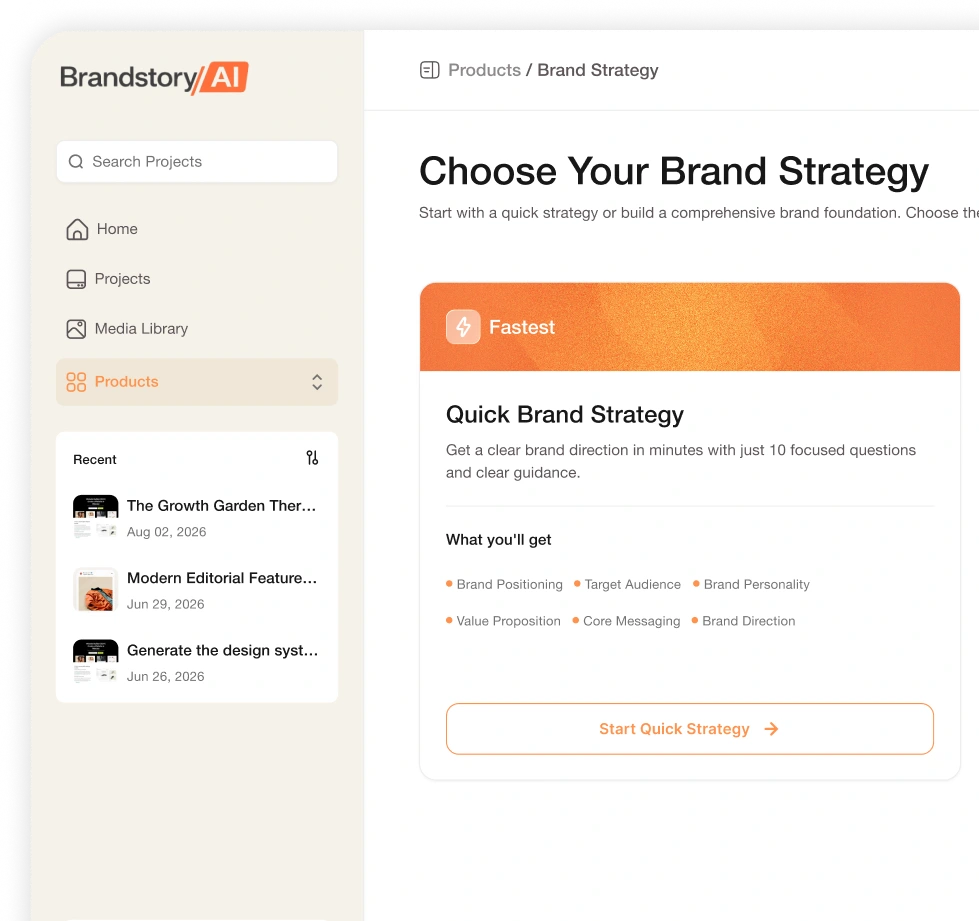
Choose Your Path
Start with Quick Strategy when you need a clear direction quickly, or choose Full Strategy when you're launching, repositioning or building a deeper foundation for your marketing.
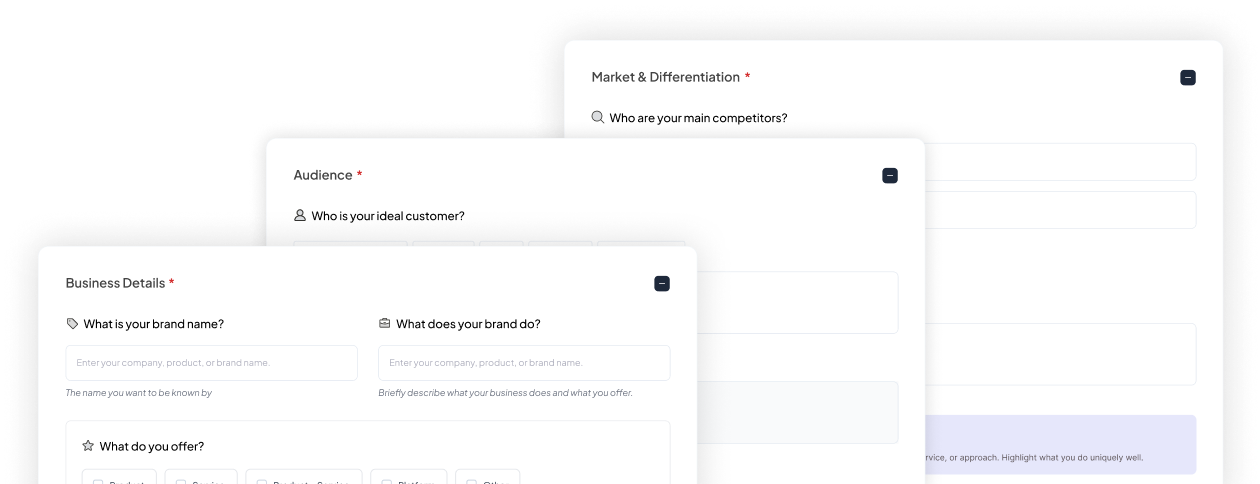
Define Your Brand
Answer guided questions about your business, customers, market, competitors, goals and desired perception to establish the information needed for your strategic foundation.
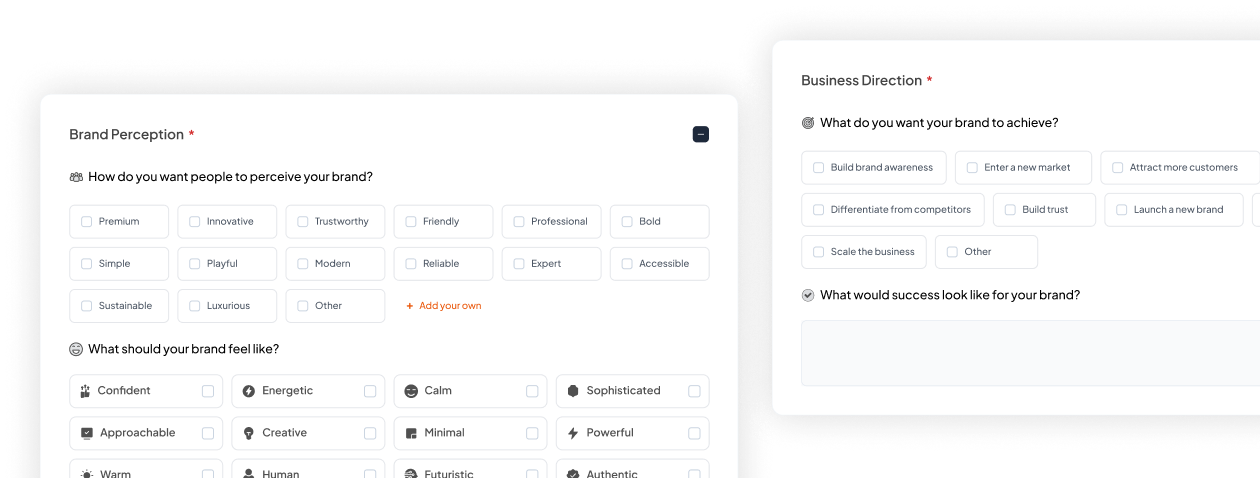
Shape Your Direction
Work through positioning, personality, communication, audience and brand perception to make the decisions that determine what your brand should stand for and how it should communicate.
Get Your Strategy
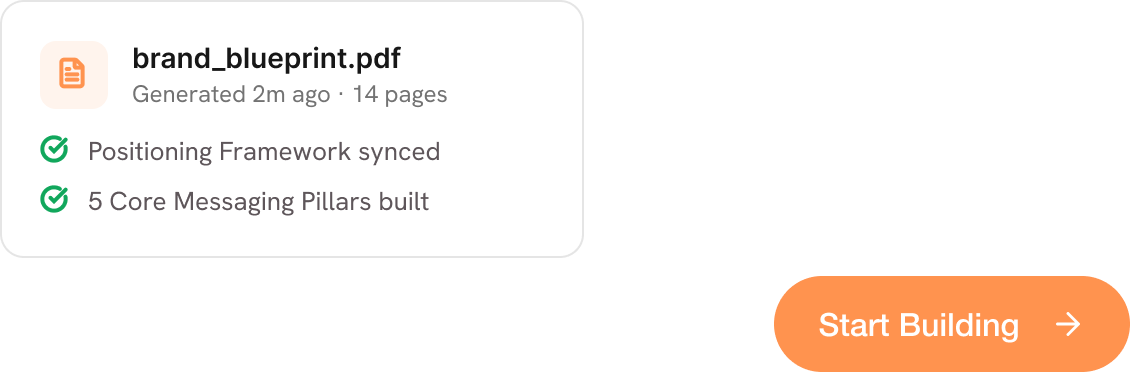
Your answers are organised into a structured strategic output covering the core elements of your brand, ready to review, share and use as a reference for future marketing work.
Choose The Depth Your Brand Needs.
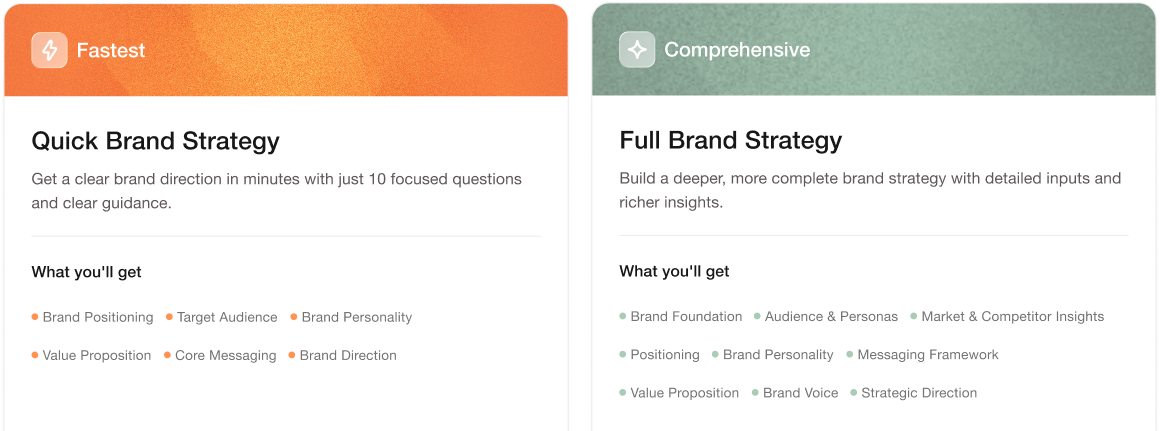
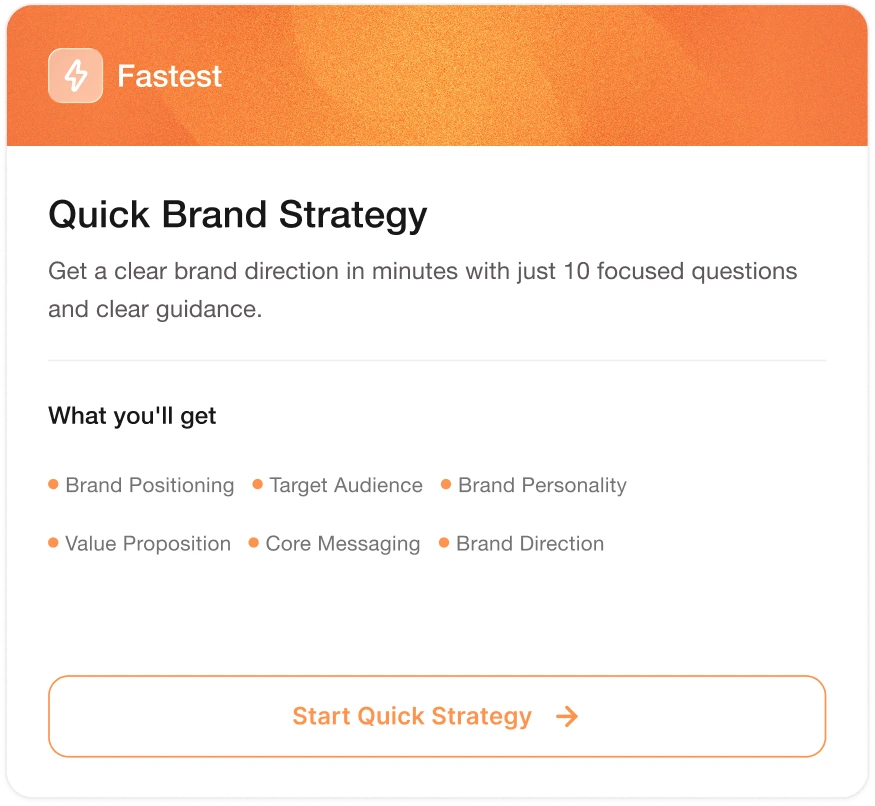
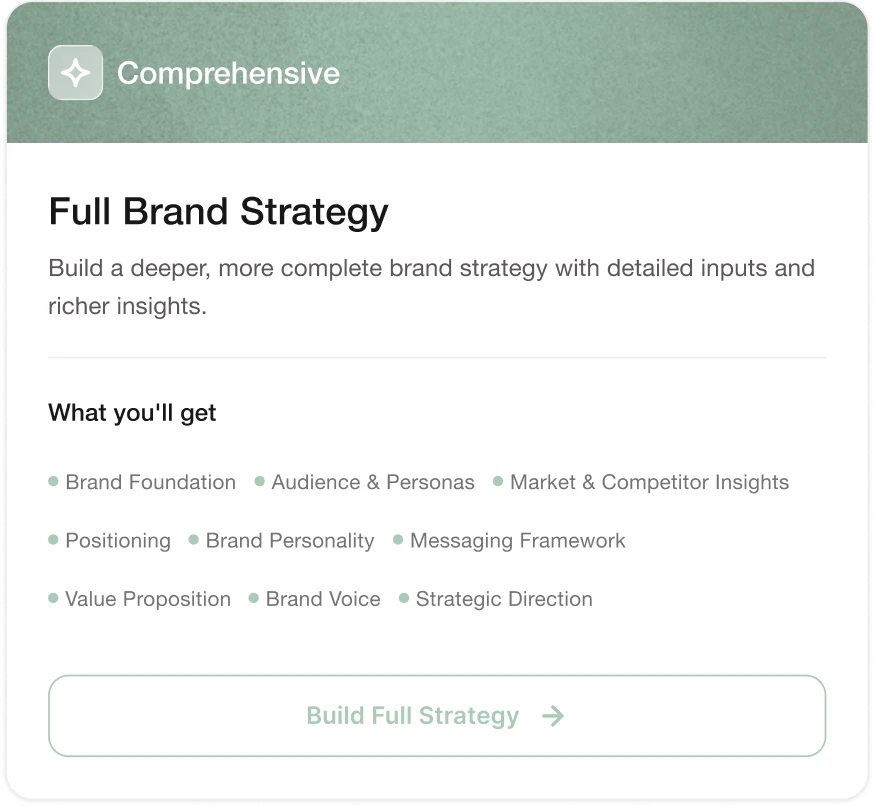
Not every brand needs the same level of strategic exploration at the same point in its journey. Quick Strategy gives you the essential direction to move forward, while Full Strategy gives you greater depth across positioning, audience, communication and strategic frameworks.
Get Clear Direction In Minutes.
Answer ten focused questions covering your business, audience, market, differentiation, perception and business direction. The process brings these decisions together into a clear foundation covering positioning, personality, value proposition and core messaging.
Build A Deeper Strategic Foundation.
Go further into the decisions that shape your brand through a detailed guided process covering purpose, values, competitive environment, audience motivations, communication principles and customer journey. It is designed for launches, rebrands, repositioning and long-term marketing direction.
Go Beyond Basic Brand Definitions.
A useful brand strategy needs more than a list of adjectives and a short description of the business. Brandstory AI brings together strategic frameworks that help you examine your market, audience, personality and communication from different perspectives, adding structure to the decisions behind your brand.

Brand Archetype
Explore the psychological character that best represents your brand, including a primary and supporting archetype, communication style and ideas for bringing the personality into your brand expression.
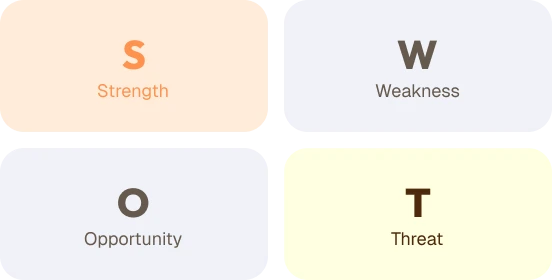
SWOT Analysis
Examine internal and external factors influencing your brand by identifying strengths, weaknesses, opportunities and threats that shape future decisions.

Customer Journey
Map the customer experience across key stages from awareness to loyalty and identify high-impact communication opportunities.
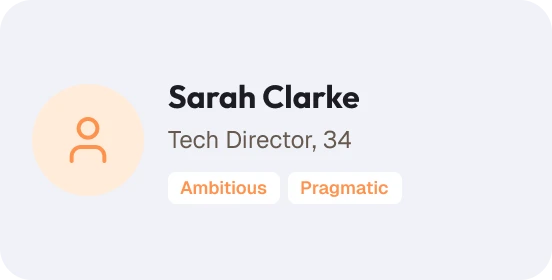
Customer Persona
Create a clearer picture of your target customer by exploring their goals, values, barriers, motivations and discovery drivers.
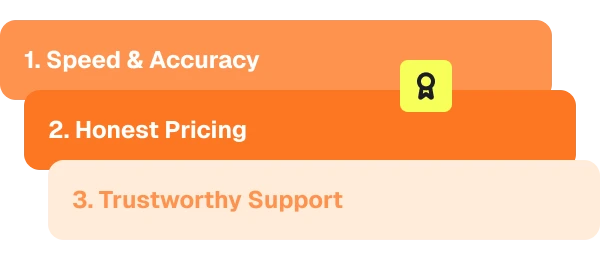
Messaging Pillars
Define core themes that consistently shape your brand communication across all marketing channels and campaigns.
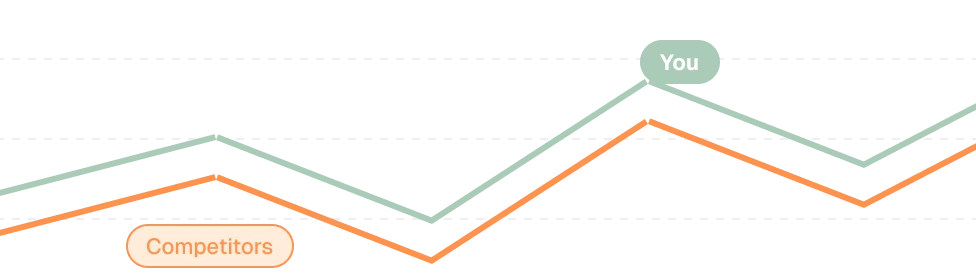
Competitive Analysis
Compare your brand with competitors across areas such as audience, focus, business model and strengths to understand where you overlap with the market and where opportunities for differentiation may exist.
Your Strategy Should Shape What You Create Next.
A brand strategy becomes valuable when it influences the decisions made after the document is complete. Use your defined positioning, audience, messaging and voice as the foundation for the marketing and creative work that follows, keeping your strategic direction consistent from planning through execution.

Your strategy establishes the direction, positioning gives it focus, messaging turns it into communication and your marketing activities bring it into the customer experience. This creates a connected path from strategic thinking to the work your team produces every day.
Built For

Founders
Define your brand clearly before investing in marketing, creative or growth, giving the business a stronger direction from the beginning.

Marketers
Give campaigns and content a consistent strategic foundation so every activity starts from the same audience, positioning and messaging.

Designers
Start creative work with clearer positioning, personality and communication direction instead of relying on assumptions about the brand.

Agencies
Give external teams the strategic context they need at the beginning of a project without repeatedly explaining the same brand decisions.
Define Your Brand. Build Everything From It.
Turn what you know about your business into a clear strategic foundation your team can understand, follow and use. Define the audience, positioning, messaging and voice that should guide your brand as it moves forward.
Frequently Asked Questions
What's the difference between Quick and Full?
Quick Strategy focuses on the essential questions needed to establish your brand direction, positioning, audience and messaging. Full Strategy goes deeper into purpose, values, competitive environment, audience motivations, communication and strategic frameworks.
Can I use it for a new brand?
Yes. The strategy can be developed around a new concept, an early-stage business or an existing brand that needs clearer direction. It gives you a structured starting point before investing heavily in identity, content or marketing.
What does the final strategy include?
Depending on the path you choose, the strategy can include positioning, audience, personality, messaging, voice, archetype, competitive analysis, SWOT, personas and customer journey. The final output brings these decisions together into a structured reference.
Can I use my strategy with other Brandstory AI products?
Yes. Your brand strategy can provide the foundation for the marketing and creative workflows that follow. Positioning, audience, messaging and voice can inform future content and landing page work so the strategic decisions remain connected to execution.
Can I update my strategy later?
Yes. Your strategy can evolve as your business, audience and market change. You can revisit the process when your positioning changes, a new product is introduced or the business enters a new stage.